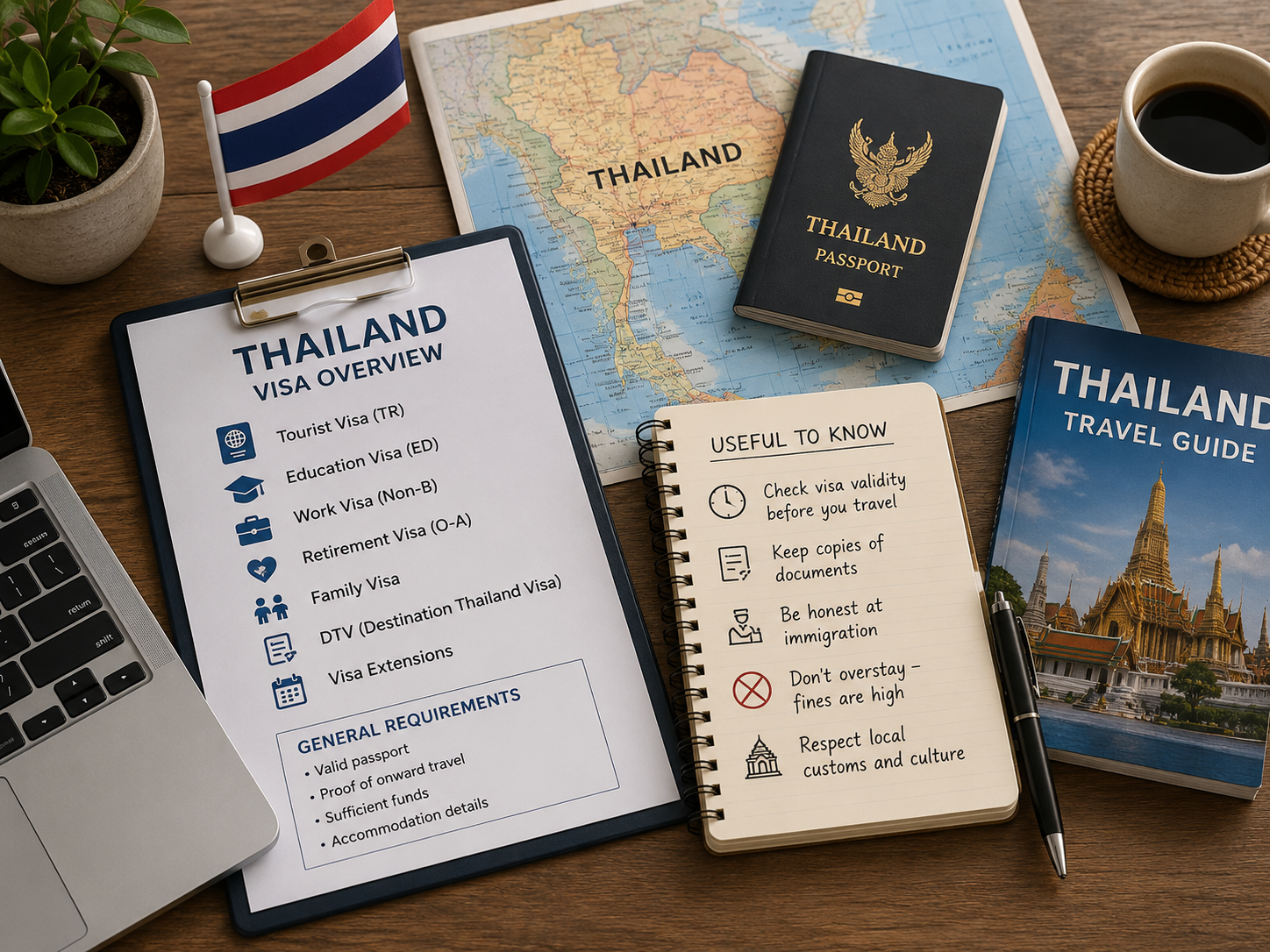
Visa Run and Border Run in Thailand: 2026 Rules
How visa runs and border runs actually work now, what changed, and the risks of relying on them.
Updated 2026-08-04
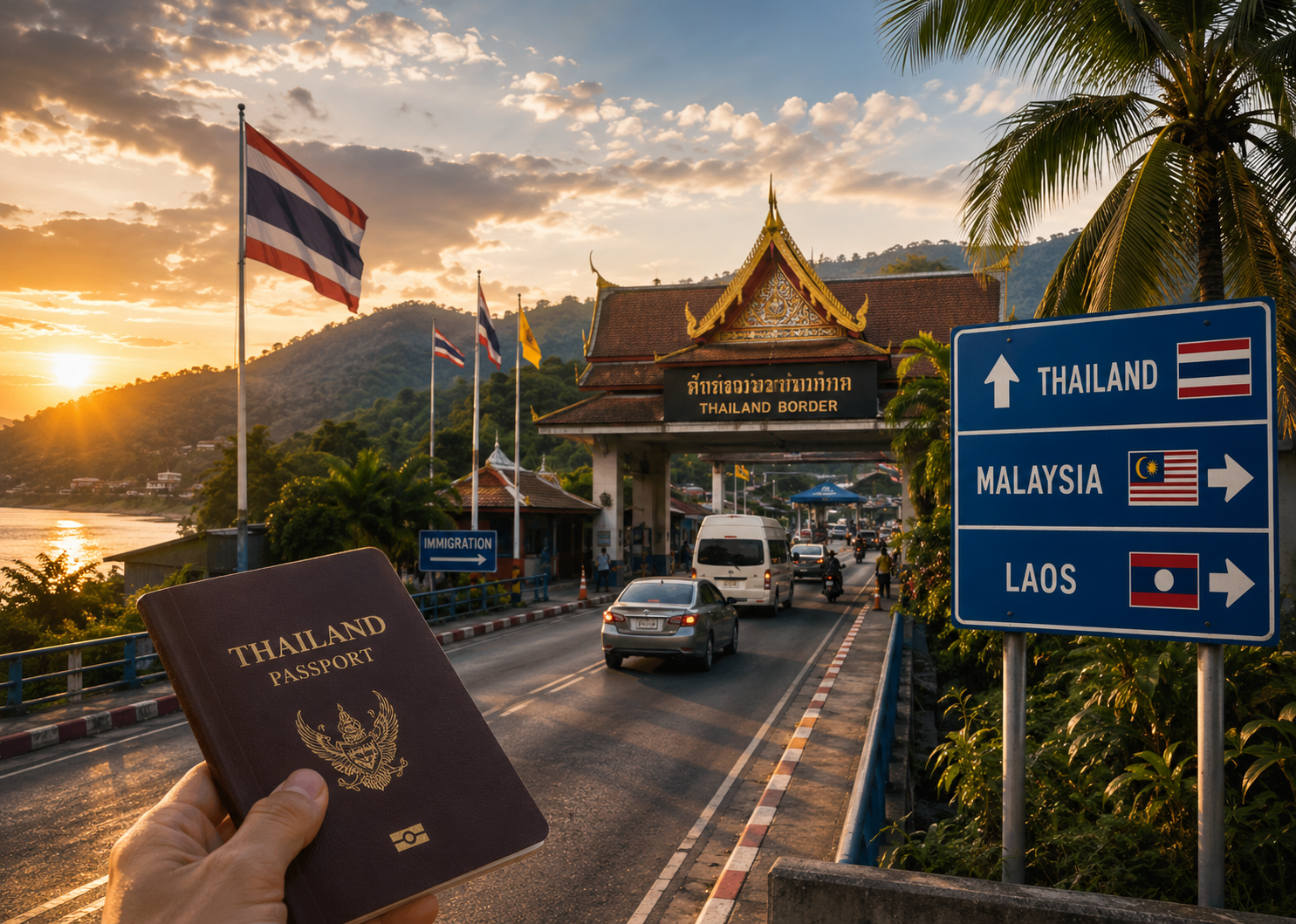
A 'visa run' or 'border run' means leaving Thailand and re-entering to reset or extend your permitted stay. A border run is a quick out-and-back across a land or air border; a visa run adds obtaining a new visa at a Thai embassy or consulate abroad. From Phuket the common routes are to Malaysia (Penang or Kuala Lumpur) and Myanmar (via Ranong). Thailand's entry and visa-exemption rules change frequently, and there are limits on how often you can enter overland without a visa — so treat every figure here as a guide and confirm the current rules with the Thai Immigration Bureau or a Thai embassy before you travel.
What a visa run and border run mean in Thailand
Both terms describe leaving Thailand and coming back to keep your stay legal, but they are not the same. A border run is a short trip out of the country and straight back in, used to get a fresh entry stamp under Thailand's visa-exemption scheme. A visa run goes further: you travel to a Thai embassy or consulate in a neighbouring country to apply for a new visa (for example a tourist visa) before returning. Which one you need depends on your nationality, how long you want to stay, and the current rules — which is why checking official sources first is essential.
Who needs a visa run, and when
Visitors typically consider a border or visa run when their permitted stay is about to end and they want more time in Thailand — for example, travellers on visa-exempt entry who wish to extend a long holiday, or people between longer-stay visas. Before doing one, note that a single in-country extension is often available at a local immigration office for a fee, which can be simpler than leaving the country. Overstaying carries fines and other consequences, so plan your exit before your permitted-to-stay date, shown on your entry stamp or card.
Main directions for a border run from Phuket
Phuket's location in southern Thailand makes several neighbouring exits practical. The right choice depends on cost, speed and whether you simply need a re-entry stamp or a new visa.
Malaysia — Penang and Kuala Lumpur
Malaysia is the most popular direction. Kuala Lumpur and Penang both have Thai consular services often used for tourist-visa applications, and both are quick flights from Phuket. Penang has long been a classic visa-run city; Kuala Lumpur suits those who want a fast air border run with a same- or next-day return. Processing times and document requirements at consulates change, so check the specific consulate's current guidance before you go.
Myanmar via Ranong, and the Satun crossings
To the north, the land border with Myanmar at Ranong (Kawthaung) is a traditional overland option, reached by road from Phuket and then a short boat crossing. To the south, the Satun province crossings connect to Malaysia by land and sea, including ferry links toward Langkawi. Land crossings are cheaper but slower, and the rules on how many visa-exempt entries you may make by land are among those most likely to change — so confirm before relying on an overland run.
The fastest border run by air
For speed, flying Phuket to Kuala Lumpur and back is the quickest option. Budget carriers run frequent short flights (roughly 90 minutes each way), so it is possible to fly out, clear Malaysian and then Thai immigration, and return within a day. To keep it smooth and cheap, book early for lower fares, travel light with only hand luggage, allow enough time between connections, and carry proof of onward or return travel and accommodation, which airlines and immigration officers may ask to see.
Doing it yourself or using an agency
You can arrange a border or visa run independently or through a travel agency. Independent trips give you full control and can be cheaper, but you handle every step — flights or transport, documents and consulate procedures. Organised group runs, common for the overland routes, bundle transport and paperwork help into one price and reduce hassle, which some travellers prefer for their first attempt. Either way, you are responsible for meeting the current entry requirements yourself.
Approximate costs
Costs vary widely by route and how you travel. As of 2026, expect rough ranges only: an air border run to Kuala Lumpur can total a few thousand baht for return flights if booked early, plus any visa fee. Overland group runs to the Myanmar or Malaysia borders are often cheaper per trip but take longer. Any actual government visa fee is set by the relevant Thai authority and is separate from your transport and agency costs. Save money by booking flights ahead, travelling midweek and going hand-luggage only.
Important rules and limits
Two points matter most and change most often. First, there is usually a limit on how many times you can enter Thailand visa-exempt by land within a period, and rules can differ for air entries — repeated back-to-back runs may draw scrutiny from immigration officers, who have discretion to refuse entry. Second, at the border you should carry a passport valid for at least six months, and be ready to show onward travel, proof of funds and accommodation. Because these requirements are updated periodically, confirm them officially before each trip.
Sources: Thai Immigration Bureau (immigration.go.th); Ministry of Foreign Affairs of Thailand and official Thai embassy/consulate websites (mfa.go.th); Tourism Authority of Thailand (tourismthailand.org). Always confirm current visa and entry rules with these official sources before travelling.