Koh Chang: Holidays & Attractions
The big eastern island — beaches, waterfalls and how it differs from the Andaman coast.
Updated 2026-08-04
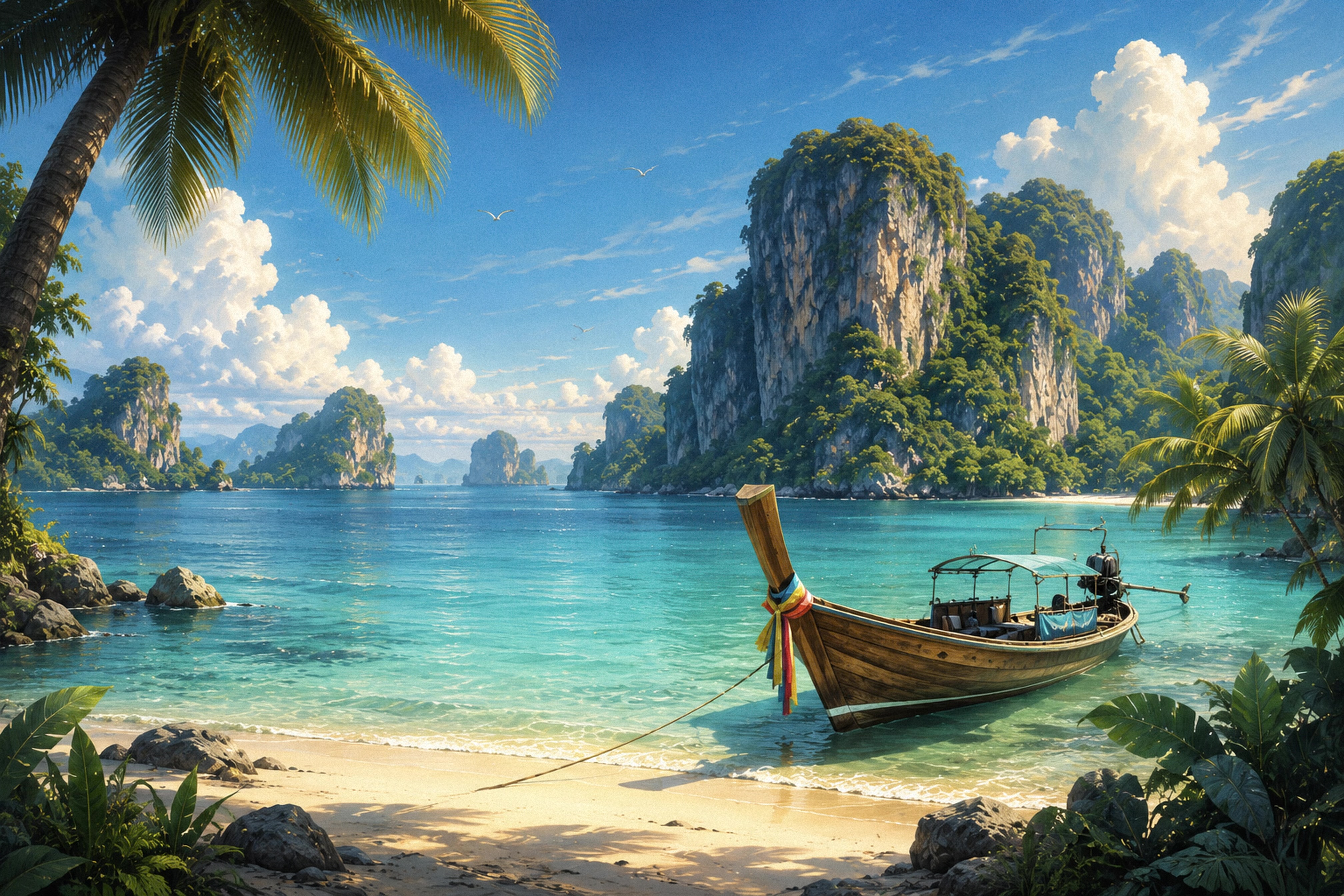
Koh Chang is Thailand's second-largest island, in eastern Trat province, and a mountainous, jungle-covered escape protected largely as Mu Ko Chang National Park. Its west coast holds the main beaches — White Sand Beach, Klong Prao, Kai Bae and Lonely Beach — backed by rainforest, waterfalls and good diving. You reach it by a short ferry from the Trat mainland, about 5–6 hours from Bangkok, making it a quieter, greener alternative to Phuket or Samui.
About Koh Chang
The island of Koh Chang, Thailand — its name means 'Elephant Island' after its shape — is the country's second-largest island after Phuket, lying in eastern Trat province near the Cambodian border. Unlike heavily built-up resorts, most of Koh Chang is steep, forested and protected within Mu Ko Chang National Park, so development is concentrated along a string of west-coast beaches while the mountainous interior stays wild. It offers a rare mix: proper beaches and dive sites alongside genuine rainforest, waterfalls and quiet.
Geography and nature
Koh Chang is dominated by a jungle-clad mountain spine rising to around 740 m, draped in rainforest and cut by streams that feed several waterfalls. The best beaches line the western shore, facing the sunset, while the east coast is quieter, with mangroves and fishing villages such as Salak Phet. The surrounding waters and smaller islands form part of the national marine park, home to coral reefs popular with divers.
Climate and the best time to visit
Koh Chang has a tropical monsoon climate. The dry high season from November to April brings calm seas, sunshine and the best conditions for beaches and diving — and the biggest crowds and prices. The rainy season, May to October, is greener and cheaper but wetter, with rough seas and reduced boat services at the peak of the monsoon; the waterfalls, however, are at their most powerful then.
How to get to Koh Chang
Getting to Koh Chang is straightforward: reach the Trat mainland, then take a short car ferry from one of the Laem Ngop-area piers (Ao Thammachat or Center Point) to the island, a crossing of about 30–45 minutes. From Bangkok the whole journey takes roughly 5–6 hours.
Flight plus transfer
The fastest route is a Bangkok Airways flight from Bangkok (Suvarnabhumi) to Trat Airport, about an hour, followed by a short van transfer to the pier and the ferry. It is the most comfortable option and ideal if your time is limited.
Bus from Bangkok
Budget travellers take a bus or minibus from Bangkok's Ekkamai eastern terminal to Trat (about 5 hours), then a shared transfer to the pier. Many operators sell a single combined bus-and-ferry ticket through to the island, which is the simplest way to answer how to get to Koh Chang without arranging each leg yourself.
Ferries
Two main car ferries run frequently across the day from the mainland to the Koh Chang piers at Ao Sapparot; walk-on passengers and vehicles both cross. In high season boats are regular and reliable; in the low season the last crossings are earlier and rough weather can cause delays, so aim to arrive at the pier with daylight to spare.
Getting around the island
Renting a scooter
A rented scooter is the cheapest, most flexible way to explore, but Koh Chang's west-coast road is steep and winding, with several accident blackspots on the hills between beaches. Ride only if you are experienced, wear a helmet, and carry a valid motorcycle licence — police do check, and the terrain is unforgiving for beginners.
Shared taxis and songthaews
Shared pickup taxis (songthaews) run up and down the west-coast road and are the standard way to hop between beaches without a scooter. Agree the fare before you get in; rates rise with distance and after dark. Resorts can also arrange private transfers.
The best beaches of Koh Chang
The best beaches of Koh Chang line the west coast, each with a distinct character — from the lively main strip to a backpacker favourite. Here is how they compare, north to south.
White Sand Beach (Hat Sai Khao)
White Sand Beach is the longest and most developed beach on Koh Chang, and the island's main hub for hotels, restaurants, bars and shops. It has the widest choice of places to stay and eat and a lively but not overwhelming evening scene, making it the default first-time base. The northern end is quieter and more upmarket; the central strip is where the action is.
Klong Prao
Klong Prao is a long, relaxed beach split by lagoons and a river mouth, backed by mid-range and upscale resorts. It is more spread out and calmer than White Sand Beach, with plenty of room on the sand, and it sits centrally, close to Klong Plu waterfall — a good choice for couples and families who want quiet with easy access to everything.
Kai Bae
Kai Bae is a pretty, laid-back beach with small offshore islands you can reach by kayak at low tide, and a good spread of mid-range accommodation and casual restaurants. It balances a relaxed mood with enough amenities, and its sunsets over the little islets are among the island's best.
Lonely Beach (Hat Tha Nam)
Lonely Beach is Koh Chang's backpacker and party centre, with the liveliest budget nightlife, cheap guesthouses and a young, social crowd. The beach itself is attractive, though parts have strong currents, so swim with care. It is the place to stay for atmosphere and value rather than luxury.
Attractions and activities
Mu Ko Chang National Park
Much of Koh Chang and its surrounding islands and reefs are protected within Mu Ko Chang National Park, managed by the Department of National Parks. The park covers the mountainous rainforest interior and the marine areas offshore; entry fees apply at trailheads, waterfalls and dive sites, and are set by the parks department. The protected status is why the island stays so green.
Waterfalls
The island's waterfalls are a highlight, especially after rain. Klong Plu (Khlong Plu) is the largest and most accessible, with a swimmable pool at the base reached by a short forest walk near Klong Prao. Than Mayom, on the east side, is another worth the trip. Check for entry fees and heed warning signs, as flow can surge quickly after storms.
Diving and snorkelling
Koh Chang is a respected dive destination, with sites around the southern islets — the wreck near Koh Chang and reefs off Koh Rang in the marine park among the best. Snorkelling trips run to clear-water spots in high season. Dive centres cluster on the west coast, and conditions are best from November to April.
Ethical elephant encounters
Given the island's name, elephant experiences are popular, but choose carefully: reputable sanctuaries let you observe, feed and bathe elephants rather than ride them, which is kinder to the animals. Prioritise welfare-focused camps over any offering rides or shows.
Where to stay: hotels and prices
Luxury resorts
Upscale resorts concentrate around Klong Prao and the quieter northern end of White Sand Beach, and on secluded southern coves, offering beachfront villas, pools and spas. High-season rates rise sharply, so book well ahead for December and January.
Budget options
For value, Lonely Beach and inland guesthouses across the west coast offer cheap rooms and bungalows, while Kai Bae and Klong Prao have solid mid-range choices. As of 2026, expect rough nightly rates of ฿400–900 for budget rooms, ฿1,200–3,000 mid-range, and considerably more for beachfront resorts in peak season.
Where to eat and what to try
Seafood restaurants
The east-coast fishing village of Salak Phet and the piers are the places for the freshest seafood — grilled fish, prawns and crab straight off the boats — often eaten at stilted restaurants over the water. Many west-coast restaurants also serve excellent seafood at beachfront tables.
Street food
Along the west-coast road and at small evening markets you will find classic Thai street food — pad thai, tom yum, som tam and fresh fruit shakes — at a fraction of resort prices. Eating where locals eat is both cheaper and often better.
Tips for travellers
Budgeting your trip
Koh Chang can be done cheaply or in comfort. Budget travellers taking the bus-and-ferry combo, staying at Lonely Beach and eating street food can keep daily costs low; the main fixed expenses are the transfer, ferry and any national-park fees. Carry cash, as many small businesses do not take cards.
Staying safe
The biggest real risks are scooter accidents on the steep hill roads and swimming in strong currents, particularly off Lonely Beach and during the monsoon. Ride within your ability, watch for rip currents and warning flags, and use insured operators for diving and boat trips. Petty theft is uncommon but keep valuables secure.
Common questions about visiting Koh Chang
A few practical points come up repeatedly for first-time visitors — on visas, money and avoiding common rip-offs. The FAQ below covers them, but in short: check your visa status before arrival with the Thai Immigration Bureau, change money at banks or licensed exchanges rather than at the pier, and always agree prices for taxis, rentals and tours up front.
Sources: Tourism Authority of Thailand (tourismthailand.org); Department of National Parks, Wildlife and Plant Conservation (dnp.go.th) for Mu Ko Chang National Park; Marine Department of Thailand (md.go.th) for ferries; Thai Immigration Bureau (immigration.go.th).