How to Rent an Apartment in Phuket
Finding a rental, fair prices, deposits and the contract points that matter.
Updated 2026-08-05
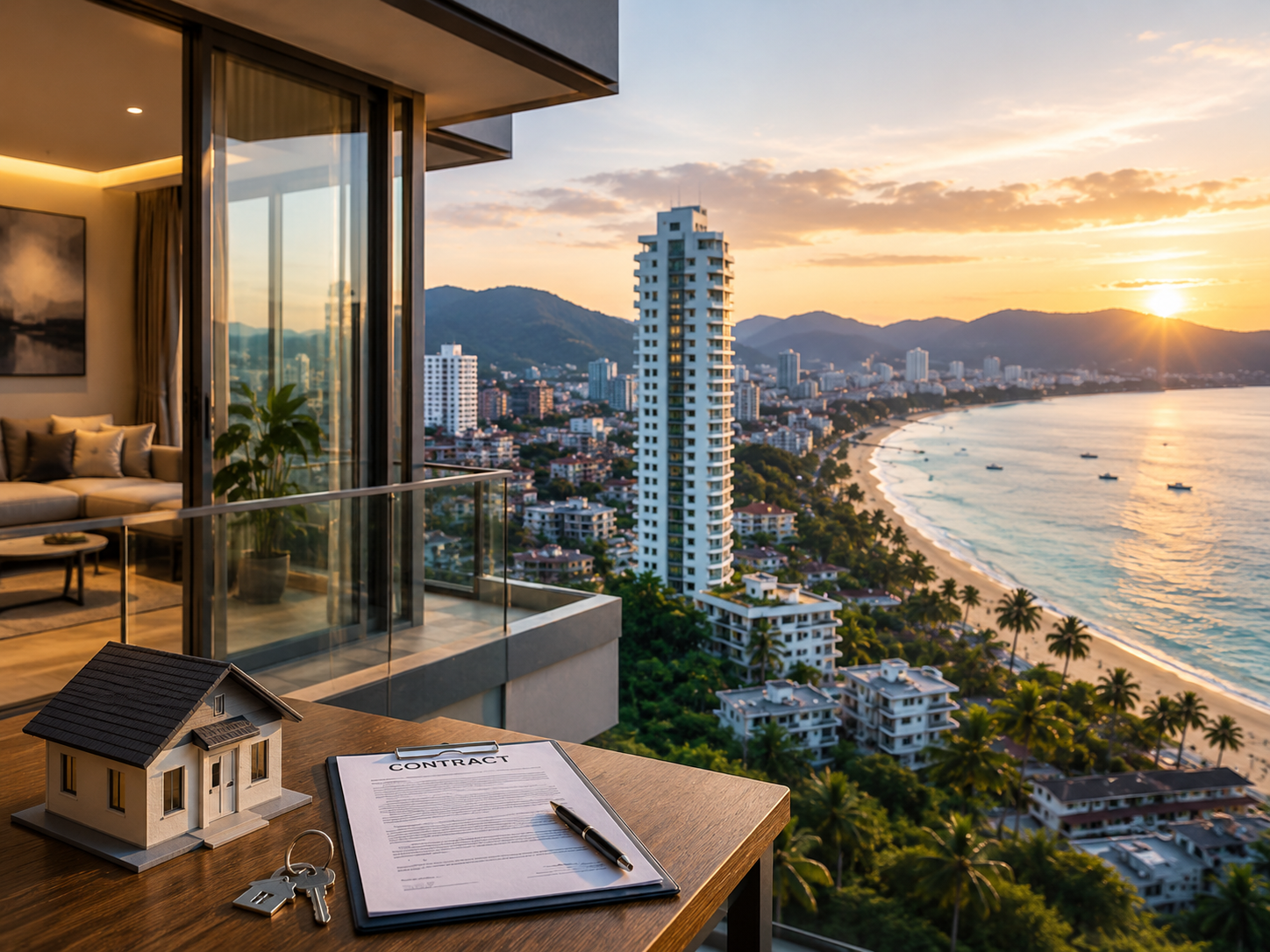
Renting an apartment on Phuket is straightforward and cheap by Western standards, but prices swing hard with the season and the beach you pick. A modern one-bedroom condo runs roughly ฿12,000–30,000 a month depending on area, season and how far it sits from the sea, with monthly deals far cheaper than nightly rates. The keys to a good rental are choosing the right district for your lifestyle, viewing in person before paying, reading the lease, and knowing the standard deposit and scam patterns.
Types of housing on Phuket
Phuket's rental market covers everything from a ฿8,000-a-month studio to a ฿200,000 beachfront villa. For most visitors and long-stayers the practical choices are a condo unit, a room in an apartment building, or a small house or villa. Condos dominate because they come with facilities — pool, gym, security, sometimes a co-working area — and are the easiest to rent furnished and ready to move into. Standalone apartments (rooms in a single-owner building) are often cheaper and more local in feel. Houses and villas give space and privacy but usually need a longer commitment and a car.
Apartment or condominium?
The words are used loosely in listings, but the difference matters. A "condominium" is a legally registered building with individually owned units, so you may be renting directly from an owner and the building tends to have full facilities and professional management. An "apartment" building is owned by one landlord who rents all the rooms — often cheaper, sometimes with fewer facilities, and with everything handled by one on-site manager. For a first rental, a condo is usually the smoother experience; for the lowest price, an apartment room can win.
How to choose an area to rent
Phuket is bigger than most first-timers expect — around 45 minutes to over an hour from top to bottom — so your district decides your daily life more than the apartment itself. Match the area to how you'll actually spend your time.
How to rent, step by step
- 1Set a budget and area shortlistBefore you land
Decide your monthly ceiling and pick two or three districts. Book a week of short-term accommodation first so you can view long-term rentals in person rather than committing sight-unseen.
- 2Line up viewingsSee several
View at least three or four units across your shortlist. Photos flatter; you want to check noise, water pressure, mobile signal, mould and the real distance to shops and the beach.
- 3Agree terms and read the leaseGet it in writing
Confirm rent, deposit, minimum term, notice period, and who pays electricity, water, internet and building fees. Make sure the contract names the actual owner and the unit.
- 4Pay deposit and move inDocument everything
Expect two months' deposit plus the first month up front. Photograph the unit's condition on day one, note the electricity meter reading, and keep receipts for every payment.
Seasons and prices: what renting costs
Phuket's rental market runs on two seasons. High season (roughly November to April) is dry, sunny and busy, and rents peak — good units in popular areas get booked weeks ahead. Low season (May to October) brings the western monsoon, quieter beaches and the best monthly deals, sometimes 20%–40% below high-season rates. As a rough 2026 guide, a modern one-bedroom condo runs about ฿12,000–30,000 a month depending on area and season; budget studios inland start nearer ฿8,000–12,000, while beachfront and Laguna-area units climb well above ฿30,000.
The biggest saving is length of stay: nightly and weekly rates are far higher per day than a three-, six- or twelve-month lease. If you can commit to a longer term — especially signing during low season — you'll get the lowest monthly figure. Utilities are usually extra: expect electricity to be the main variable cost because of air-conditioning, and check whether the landlord charges the government rate or a marked-up building rate per unit.
What to check when viewing an apartment
- Air-conditioning: switch every unit on and confirm it cools quickly and isn't noisy — it's your biggest comfort and electricity factor.
- Water pressure and hot water: run the shower and taps; weak pressure and cold-only water are common complaints.
- Mobile signal and internet: test your phone in each room and ask for the actual internet speed, not just "wifi included."
- Damp and mould: check ceilings, wardrobes and bathroom corners, especially in low-season humidity.
- Noise: visit once in the evening if you can — a quiet daytime street can sit beside a late-night bar or a busy road.
- Facilities and access: confirm the pool, gym and parking are real, working and included, and that access cards or keys are provided.
Ten questions to ask the landlord
- What is the total monthly rent, and is anything else added on top?
- How much is the deposit, and under what exact conditions is it refunded?
- Are electricity and water charged at the government rate or a building rate?
- Is internet included, and what is the real speed?
- What is the minimum lease term and the notice period to leave?
- Who pays for repairs and maintenance during the tenancy?
- Are the building's common-area or juristic-person fees included?
- Is the unit owner renting directly, or is this through an agent?
- Are pets, guests or short-term subletting allowed?
- Can I get an itemised, signed inventory and meter reading on move-in day?
How to avoid scams
- Verify the person renting to you actually controls the unit — ask to see ID and, ideally, proof of ownership or an agency licence.
- Be wary of prices far below the area norm; they are bait more often than bargains.
- Pay the deposit in a traceable way and always get a signed receipt naming the unit and the amount.
- Read the contract fully before paying — vague or missing deposit-refund terms are a red flag.
- Photograph the unit's condition and meter readings on move-in so a landlord can't invent damage at the end.
Where to find the best deals
The best long-term rates rarely appear on nightly booking sites. Combine a few channels: reputable local rental agencies (useful for hand-holding and paperwork, though they add a fee), established property portals for browsing the market, and local community groups where owners post directly and cut out the agent margin. Once you're on the island, walking or riding around your target area and noting "for rent" signs on condo buildings often surfaces owner-direct deals that never go online. Cross-check any online price against what you see locally before committing.
Tips from experienced expats
- Arrive, stay short-term for a week, and view in person — long-stayers almost never regret not booking a year sight-unseen.
- Negotiate: monthly rents are flexible, especially for longer terms and in low season, and asking politely often knocks 10% off.
- Budget realistically for electricity — heavy air-conditioning use can add several thousand baht a month in the hot season.
- Check the daily practicalities — supermarket, clinic, gym and a reliable eatery within a short ride matter more day-to-day than a sea view.
- Keep every receipt and your signed move-in inventory so reclaiming the deposit at the end is drama-free.
Sources: Tourism Authority of Thailand (tourismthailand.org). Rental prices and seasonal patterns are market-driven and change over time; confirm current rates locally and read any tenancy contract carefully before you pay.