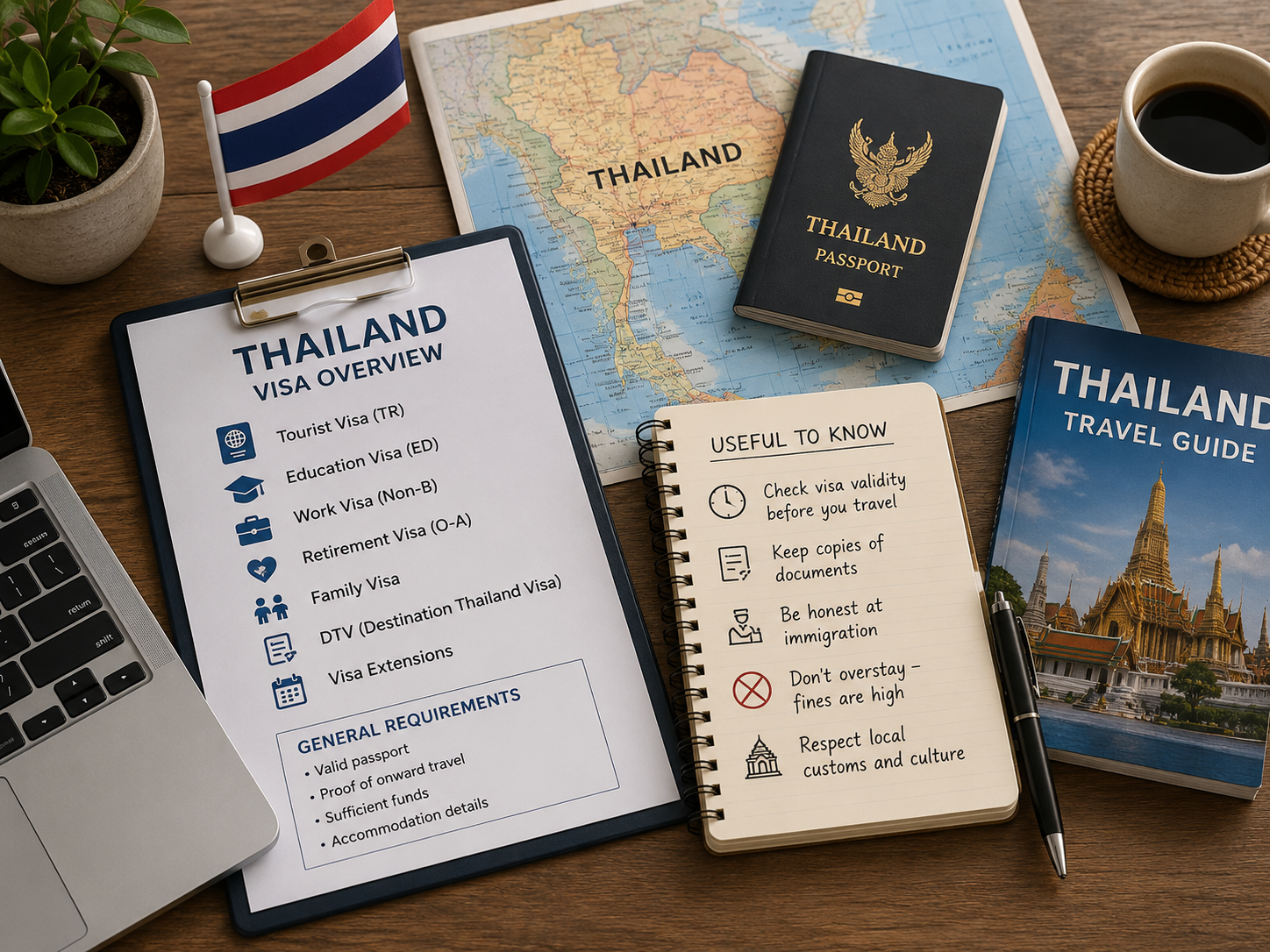
Real Estate in Thailand: Benefits & Pitfalls
Why people buy, what can go wrong and how to protect yourself.
Updated 2026-08-05
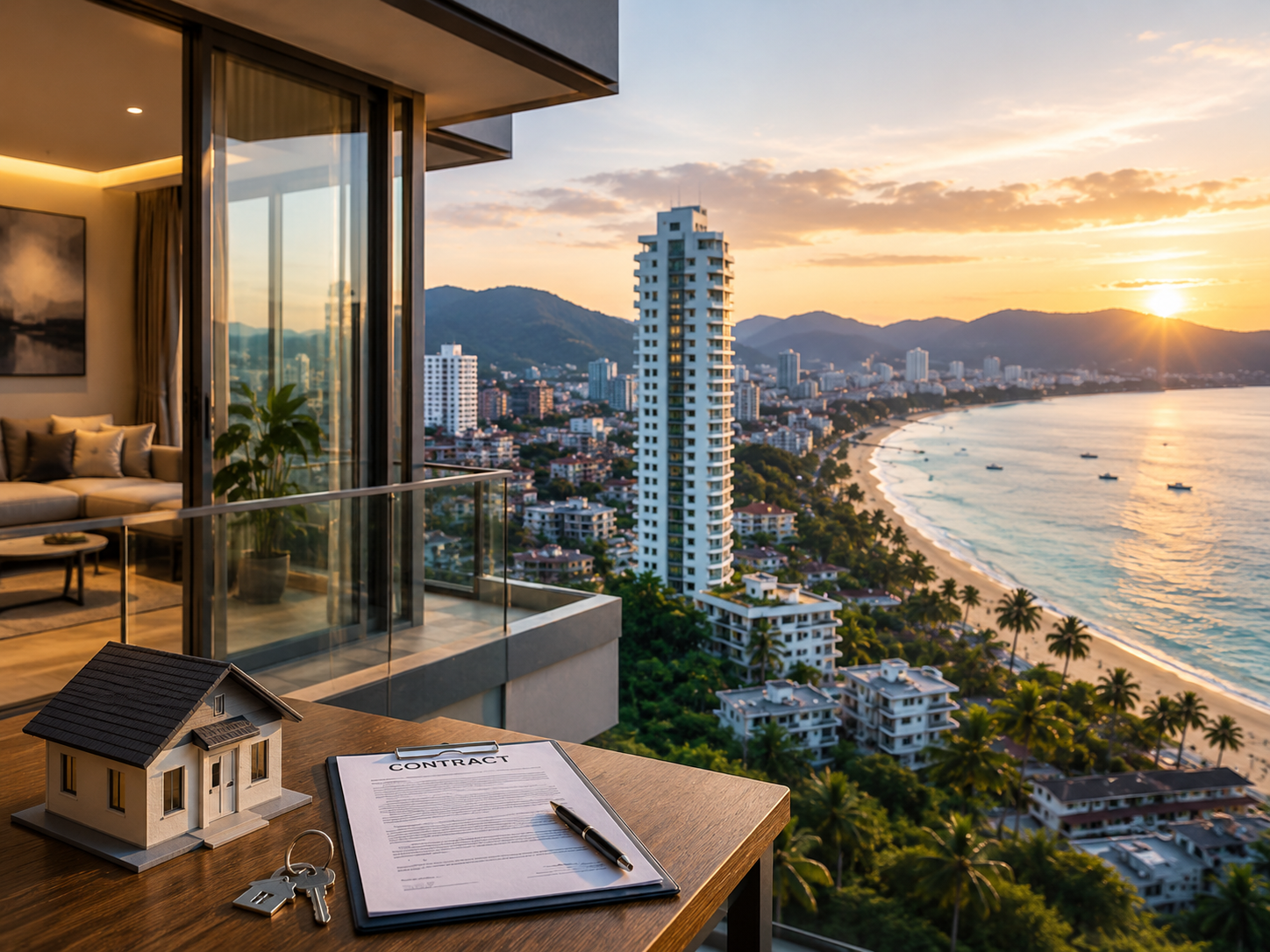
Thai real estate can be a rewarding buy for foreigners — prices are lower than in much of the West, rental demand is strong in tourist hubs, and a condominium can be owned freehold in your own name. But the pitfalls are just as real: foreigners cannot own land, so villas rely on leases or company structures; rental yields look better in brochures than in bank statements; and weak due diligence can leave you with an encumbered unit or a full foreign quota. This guide weighs the genuine advantages against the traps, so you go in with clear eyes and a Thai lawyer at your side.
Why investing in Thai property can pay off
Thailand has spent two decades building a property market that welcomes international buyers, and the appeal is easy to see. Entry prices for a decent condo remain a fraction of comparable coastal property in Europe, Australia or North America. The tourism engine — tens of millions of visitors a year — underpins year-round rental demand in Phuket, Pattaya, Bangkok and Samui. And unlike almost every other Thai asset class, a condominium can be owned outright by a foreigner. Below are the advantages worth counting on, followed by the pitfalls worth planning around.
Legal advantages for foreigners
The headline benefit is freehold condo ownership: within a building's 49% foreign quota, a non-Thai can own a unit permanently, in their own name, with a proper title deed. Beyond that, a substantial qualifying property investment can support long-stay visas such as the Long-Term Resident (LTR) visa run by the Board of Investment, giving investors a route to spend more time in the country. Thailand also has no annual property tax of the heavy Western kind — the Land and Building Tax applies at low residential rates — which keeps holding costs down compared with many home markets.
Economic and market factors
Prices are the obvious draw, but so is stability: the Thai baht is a relatively steady currency and the economy leans on tourism, exports and a large domestic market. High visitor numbers keep short-let and long-let demand alive across the calendar, particularly in Phuket's beach districts. For buyers coming from high-cost cities, the sheer amount of finished, modern, pool-facility living you get per dollar is the quiet advantage that keeps the foreign market busy.
Rental income and returns
Well-chosen condos in strong locations can target gross rental yields in the region of 5%–8% a year — attractive next to mature Western markets. Demand is broadly year-round in tourist hubs, softening only in the wettest months. Just remember that gross is not net: management fees, vacancy, the monthly common-area charge and income tax all bite. Treat the higher figures developers quote as a ceiling, not a promise.
Ownership forms — and where the risk hides
Understanding how you'll actually hold the property is the difference between a sound investment and a costly mistake. Thai law separates buildings from land and treats foreigners differently from Thais.
Freehold — full ownership
For foreigners, freehold means a condominium unit. Within the building's 49% foreign quota you own the apartment permanently and can sell, let, mortgage or bequeath it. To register freehold you must bring the purchase money into Thailand from abroad in foreign currency and obtain a Foreign Exchange Transaction (FET) certificate. Buying a condo through a Thai company is possible but adds cost and scrutiny, and is unnecessary for most private buyers who qualify simply by remitting funds.
Leasehold — long-term rental
Because foreigners cannot own land, villas and houses are usually secured through a registered land lease of up to 30 years, with ownership of the building itself. Contracts often advertise renewals — "30+30" — but Thai courts do not automatically enforce future renewals against a new landowner, so a lease is a contractual right, not perpetual ownership. Leasehold can still suit buyers who want a villa lifestyle and understand the value profile, but it is fundamentally different from owning.
The buying process, step by step
- 1Choose and vet the propertyDefine your goal
Set a budget and purpose (home versus rental), then run genuine due diligence: title check, mortgages, developer licence, and for a condo the foreign quota. Use a lawyer you retain directly, not the seller's.
- 2Sign the reservation agreementFirst deposit
The reservation names the price and takes the unit off the market. Insist on the mandatory clauses — price, deposit terms, and a refund if due diligence uncovers a problem — and check the reservation fee is reasonable and its refund conditions clear.
- 3Execute the main contractSPA or lease
A sale and purchase agreement covers a freehold condo; a registered lease covers leasehold. Confirm the document list — passport, FET certificate for a condo, and the juristic person's quota letter — is ready.
Financial aspects of the deal
Transfer taxes and fees typically total a few percent of the price and are negotiated between buyer and seller. The main charges are a 2% transfer fee, either a 3.3% specific business tax (if the seller owned under five years) or 0.5% stamp duty, and a withholding tax that prepays the seller's income tax. Payment for a foreign-owned condo must arrive from abroad in foreign currency to generate the FET certificate. Mortgages for non-residents are scarce — most local banks lend little to foreigners for Thai property — so plan to pay largely in cash, use developer instalment plans, or arrange finance in your home country.
Regional differences in the market
Phuket is the foreigner's default: the deepest holiday-rental market in Thailand, with premium villa clusters around Bang Tao and Laguna and condo stock spread across the west coast. Pattaya has the lowest entry prices and high liquidity but a more saturated market. Bangkok is a capital-growth and long-let city play, strongest near mass-transit lines, with little land for villas. Samui and the smaller islands trade convenience and beach living for thinner resale markets and higher logistics costs. Match the location to your goal: yield and short-lets favour Phuket and Pattaya, long-term city growth favours Bangkok.
The pitfalls and hidden risks
- Land ownership: you cannot own land as a foreigner, so "buy this villa freehold" is either a condo, a lease, or a company structure — know which.
- Nominee companies: using Thai shareholders as a front to control land is illegal and can trigger forced sale; treat casual suggestions of it as a red flag.
- Developer risk: off-plan projects can stall or under-deliver, so verify the developer's licence, land ownership and track record before paying instalments.
- Full foreign quota: a unit sold as freehold may only be available leasehold if the building's 49% is used up — get written confirmation.
- Yield inflation: headline rental returns ignore management, vacancy, fees and tax; model the net figure yourself.
- Home-country obligations: many countries require you to declare foreign property and rental income — check your own tax and reporting duties before buying abroad.
Buyers from some countries also face additional home-side rules — declaring foreign real estate, reporting overseas accounts, or restrictions tied to public-sector employment. These are matters for a tax adviser in your own country, but they belong on your checklist before, not after, you commit funds.
Practical recommendations for buyers
- Retain an independent, licensed Thai property lawyer before paying any deposit — the fee is trivial next to the risk it removes.
- Verify the title deed, the foreign quota and any encumbrances at the Land Department, not just in the developer's paperwork.
- Keep every fund-transfer and FET document; you'll need them to register and, later, to repatriate sale proceeds.
- Prefer freehold condos for a first purchase; approach leasehold villas and company structures only with clear legal advice.
- Visit the property in person, ideally in wet season, and check the neighbourhood by day and night before you buy.
Sources: Board of Investment / LTR visa (boi.go.th); Thai Immigration Bureau (immigration.go.th); Tourism Authority of Thailand (tourismthailand.org). Ownership rules, taxes and quotas are set by Thai authorities and change over time — confirm current specifics with a licensed Thai lawyer before you buy.